Role and Mission of the APNQL

Who We Are
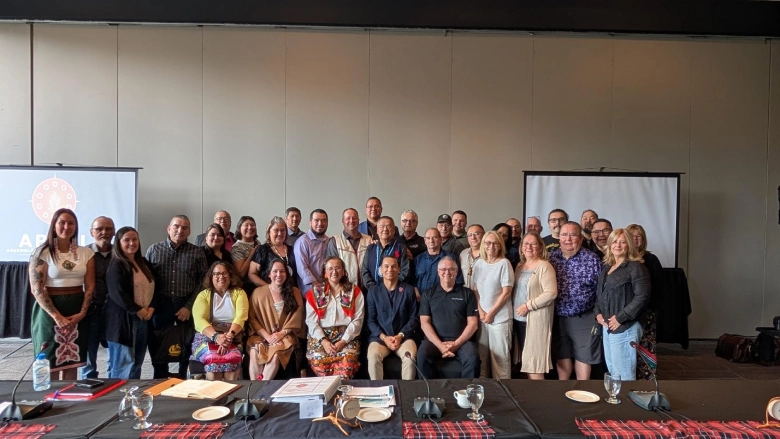
The AFNQL, established in 1985, is composed of the Assembly of Chiefs and an administrative office. It brings together the Chiefs of the 43 First Nations communities of Quebec and Labrador, representing ten nations: W8banaki, Anishinaabe, Atikamekw Nehirowisiw, Cree/Eeyou, Wendat, Wolastoqiyik, Mi’gmaq, Mohawk/Kanien’kehá:ka, Innu, and Naskapi.
The Assembly meets at least twice a year to assign mandates to its Political Office and the Commissions it has established. The Chiefs also elect, for a three-year term, the person who will serve as the Chief of the AFNQL.
The current Chief, Francis Verreault-Paul, has been in office since 2025 and is serving his first term.
The AFNQL is affiliated with the Assembly of First Nations (AFN), whose office is located in Ottawa. The Chief of the AFNQL sits on the AFN executive and may be called upon to handle national files.
Our Commitments
Representing the Interests of First Nations
The AFNQL is the political voice of the Chiefs of the 43 First Nations of Quebec and Labrador. It defends the rights, territories, languages, and living conditions of First Nations by developing common positions through consultation among the Chiefs.
The Assembly plays an influential role with governments and institutional partners to guide decisions affecting our Nations. It participates in political discussions and dialogue forums with rigor, transparency, and in accordance with the mandates entrusted to it.
Its legitimacy rests on its ability to translate the realities of First Nations into concrete actions, thereby helping to affirm their full and rightful place in society and in territorial governance.
Successfully Carry Out Mandates
The AFNQL implements, with rigor and transparency, the mandates entrusted by the 43 Chiefs of the First Nations of Quebec and Labrador. It translates their political directions into concrete and measurable actions, respecting established timelines.
Through a methodical approach, the AFNQL develops structured action plans by leveraging the expertise of its specialized teams. It coordinates efforts across its various sectors—government relations, legal affairs, communications—to ensure the effectiveness of its interventions.
It continuously monitors files and maintains regular communication with the Chiefs to ensure consistency in actions. It reports on its progress with full transparency, clearly presenting both achievements and challenges encountered.
Legislative Reconciliation
Legislative reconciliation is at the heart of the Chief’s priorities. No real progress is possible without a profound transformation of laws. This approach involves creating and amending legislation to renew the relationship between governments and First Nations, based on respect for rights, cooperation, and partnership. It aims to acknowledge past wrongs, remedy injustices, combat systemic racism, and build a fairer future.
The AFNQL works to ensure that the conditions for genuine consultation are met, respecting free, prior, and informed consent. It also advocates for the full and proper implementation of the United Nations Declaration on the Rights of Indigenous Peoples.
Legislative reconciliation must result in concrete corrective measures and firm commitments to address the unique challenges faced by Indigenous peoples. This transformation of the legislative framework is essential for establishing truly equitable government-to-government relationships based on respect for our inalienable rights.
The AFNQL is the political voice of the Chiefs of the 43 First Nations of Quebec and Labrador. It defends the rights, territories, languages, and living conditions of First Nations by developing common positions through consultation among the Chiefs.
The Assembly plays an influential role with governments and institutional partners to guide decisions affecting our Nations. It participates in political discussions and dialogue forums with rigor, transparency, and in accordance with the mandates entrusted to it.
Its legitimacy rests on its ability to translate the realities of First Nations into concrete actions, thereby helping to affirm their full and rightful place in society and in territorial governance.
The AFNQL implements, with rigor and transparency, the mandates entrusted by the 43 Chiefs of the First Nations of Quebec and Labrador. It translates their political directions into concrete and measurable actions, adhering to established timelines.
Through a methodical approach, the AFNQL develops structured action plans by leveraging the expertise of its specialized teams. It coordinates efforts across its various sectors—government relations, legal affairs, and communications—to ensure the effectiveness of its interventions.
It continuously monitors files and maintains regular communication with the Chiefs to ensure consistency in actions. It reports on its progress with full transparency, clearly presenting both achievements and challenges encountered.
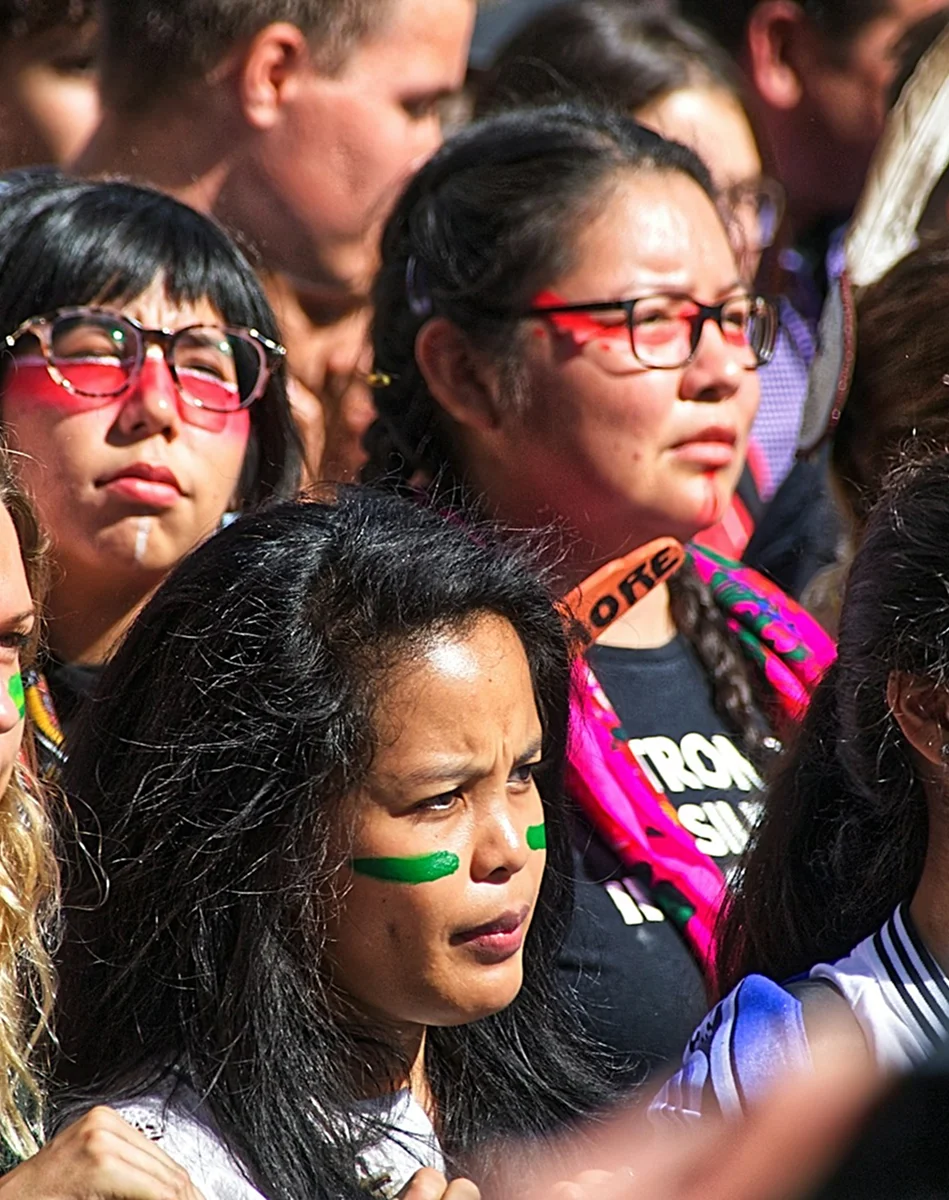
Legislative reconciliation is at the heart of the Chief’s priorities. No real progress is possible without a profound transformation of laws. This approach involves creating and amending laws to renew the relationship between governments and First Nations, based on respect for rights, cooperation, and partnership. It aims to acknowledge past wrongs, remedy injustices, combat systemic racism, and build a fairer future.
The AFNQL works to ensure that the conditions for genuine consultation are met, respecting free, prior, and informed consent. It also advocates for the full and proper implementation of the United Nations Declaration on the Rights of Indigenous Peoples.
Legislative reconciliation must result in concrete corrective measures and firm commitments to address the unique challenges faced by Indigenous peoples. This transformation of the legislative framework is essential for establishing truly equitable government-to-government relationships based on respect for our inalienable rights.